
I was listening to Radio 4 Tuesday 21st July lunchtime and Professor Richard Coker came on and talked about how he may have eased patients towards death with high doses of pain relief. He could admit to this because it was to relieve suffering; legally the intention behind the decision to increase pain relief – even if you know it may shorten life – is the important thing. He had a lot of feedback from his peers worldwide calling him their Spartacus because during their careers they had done exactly the same thing. He has written a book called Timor Mortis (Fear of Death) in which he quotes Saul Bellow
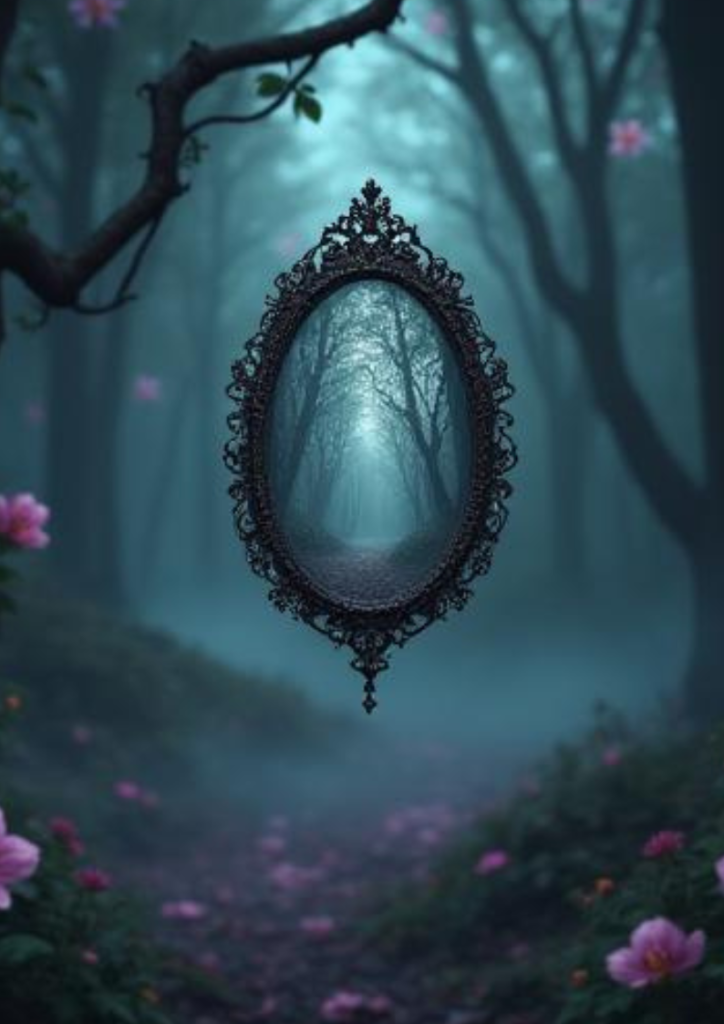
“Death is the dark backing a mirror needs if we are to see anything”
He went on to say that a lot of people think about death frequently,; some people not at all. Usually, we rarely talk about it unless we are confronted by the death or illness of friends or family.
I discussed it with a friend today and she felt that it’s the manner of our death that frets us; not so much the fact of it. I am inclined to agree with that.
But we all know it will happen.
Professor Coker went on to say that the knowledge of death can help us to see what is important to our living.
Later on in the week a very interesting letter to and reply from Psychotherapist Philippa Perry who writes on Substack dropped into my inbox.
What is my Purpose?
We are inclined try to “find” a purpose, as if we had written it down somewhere and then forgotten where we left it! We often don’t act in any particular direction because we are waiting to be sure it’s the right way to go. But it’s in the action that we find meaning and ultimately purpose. When we have freedom, we have endless choice about what we do and where we go; which can start to be a bit overwhelming and feel like anxiety. When we are studying, bringing up children, working we just get on with it. The external circumstances force us into various directions and choices; but what happens when these drop away?
A surprising number of philosopher’s and thinkers have written about freedom and purpose. Is it lack of purpose or too much freedom?
We often think that when we catch up with friends and family the conversation needs to be a litany of what we have achieved and done. But arguably the best conversations spring from animated discussions about a film seen, a book read, a walk taken or a problem shared.
Aristotle noted that our purpose is what makes us flourish; to live well could be a mix of having friends, family, curiosity about life and a connection with the wider community. Marcus Aurelius maintains that we have very little control over outcomes but a lot of choice about our next steps or how we manage the outcomes. Which is purposeful.
What excites you, moves and fulfils you? Where do you feel expansion or constriction? Do you live your life intentionally?
Are you envious of anyone? I don’t think envy is a bad thing as it can show you something about your heart’s deepest desires. The trick is to have a creative positive response to it, rather than wanting to snatch the desired object away from the owner.
We are all looking into the same mirror, because we are all going to die – even the billionaires filling themselves with every supplement known to man.
Ultimately what makes you happy? Do you have enough of it? Can you slow down and enjoy the small satisfactions, smell the coffee? Andrew Marvell captured the sense of a finite amount of time in his poem
To His Coy Mistress
“But at my back I always hear
Time’s wingèd chariot hurrying near;
And yonder all before us lie
Deserts of vast eternity.”
We live life with the awareness of death, hopefully not in fear and trembling but in the knowledge that life is short and we do our best to make it sweet for ourselves, our loved ones and others.